


Prof. Suveer Singh
BSc MBBS PhD EDIC DICM FHEA FFICM FRCP
Consultant in Respiratory Medicine
Specialist in Respiratory, Sleep and Critical Care
Professor of Practice at Imperial College
4th Floor 369 Fulham Road London SW10 9NH
 Tailored approach to
Respiratory ConditionsProf. Singh is the right call for patients suffering from
respiratory disorders, sleep disordered breathing. Tailored approach to
Respiratory ConditionsProf. Singh is the right call for patients suffering from
respiratory disorders, sleep disordered breathing. Tailored approach to
Respiratory ConditionsProf. Singh is the right call for patients suffering from
respiratory disorders, sleep disordered breathing. Tailored approach to
Respiratory ConditionsProf. Singh is the right call for patients suffering from
respiratory disorders, sleep disordered breathing.
Prof. Suveer Singh
Consultant in Respiratory, Sleep and Intensive Care
Professor of practice at Imperial College, London
Private diagnosis, treatment and care for all type of respiratory illness
Prof. Suveer Singh is Consultant in Respiratory, and Critical Care Medicine at Royal Brompton and the Chelsea & Westminster NHS Foundation Trusts, London. He is a professor of practice at Imperial College, London.
He is an experienced specialist in Respiratory Medicine, Sleep Apnoea and other Sleep Disorders (Insomnia), Respiratory Critical Care, Acute respiratory infection (including COVID) and post ITU recovery. His clinical and research interests include Early diagnostic markers for ventilator associated pneumonia and Burns inhalation injury, bronchoscopy (EBUS and interventional), respiratory infection, post Intensive care syndrome and microcirculatory disorders.



Sleep Disorders
OSA is a condition in which people breathe shallowly or stop breathing for short periods while sleeping. This can occur many times at night, leading to frequent arousals and disturbed sleep. These in turn can cause excessive daytime sleepiness, impaired concentration and hypoxaemia.
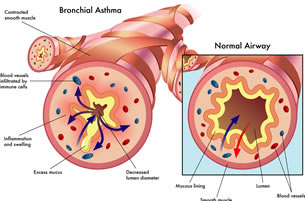
Asthma
The typical symptoms are wheeze, cough, chest tightness, and shortness of breath. Symptoms can range from mild to severe. Asthma cannot be 'cured', but treatment is aimed at controlling symptoms with the minimum necessary medication.
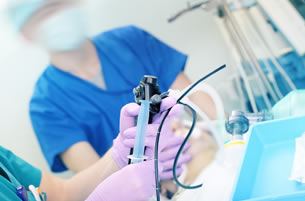
Bronchoscopy
The diagnosis of common respiratory features/conditions such as lung cancer, persistent infections, opportunistic pneumonias, chronic cough, tuberculosis, certain interstitial lung diseases including sarcoidosis and organising pneumonia, are well established.

Allergies
The problem with allergies such as Hay fever and Allergic Rhinitis is that it is considered to be a trivial and inconsequential disease. Symptoms such as runny nose, itchy eyes and nose with sneezing and blockage are obviously not life threatening, but affect up to 25% of the population and are the cause of significant disability and cost to society.

Cough
A cough is a reflex action to clear your airways of mucus, phlegm and irritants such as dust, smoke or a foreign body.
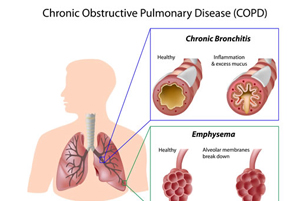
COPD
Chronic obstructive pulmonary disease (COPD) is comprised primarily of two related diseases - chronic bronchitis and emphysema. In both diseases, there is chronic obstruction of the flow of air through the airways and out of the lungs, and the obstruction generally is permanent and progressive over time.

Chest Pain & Infections
This type of infectious illness are second only to diarrhoea as a cause of illness in travellers. Certain situations encountered when travelling place travellers at an increased risk of acquiring a respiratory infection.
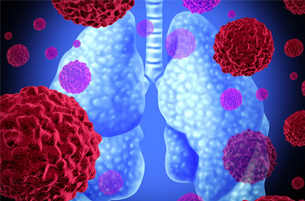
Lung Cancer
Each year, over 37,000 people in the UK are diagnosed with lung cancer. There are two main types of primary lung cancer.
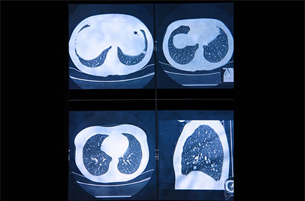
Lung Fibrosis
Pulmonary fibrosis describes a group of diseases which produce interstitial lung damage and ultimately fibrosis. It is a chronic condition characterised by shortness of breath, cough, diffuse infiltrates on chest X-ray and inflammation and/or fibrosis on biopsy.
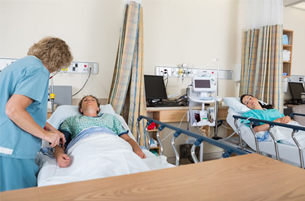
Post Intensive Care
The management of acutely sick surgical and medical patients by the appropriately skilled staff, in the best setting is an aim of best clinical practice.
Accreditations





Visiting Hospital








Useful Links
Contact Prof. Suveer Singh
4th Floor 369 Fulham Road London SW10 9NH
Phone: 020 7042 1865
Email: info@respiratorydoctor.co.uk
Copyright © 2024 Prof. Suveer Singh
The material on this site is for informational purposes only,and is not a subtitute for medial advice,diagnosis or treatment provided by a qualified health care provider.
Professional Healthcare website by
